Why Should We Stop Reading Science and Start Doing It?
EL Knowledge Management Team
2025-01-06
2025-01-06
The true spirit of science is discovery, a process eloquently summarized by the verse:
سَنُرِيهِمْ ءَايَـٰتِنَا فِى ٱلْـَٔافَاقِ وَفِىٓ أَنفُسِهِمْ We will show them Our signs in the universe and within themselves, 41:53
This philosophy, which places personal observation and experience at the center of understanding, defined the career of history’s greatest science communicator, Michael Faraday.
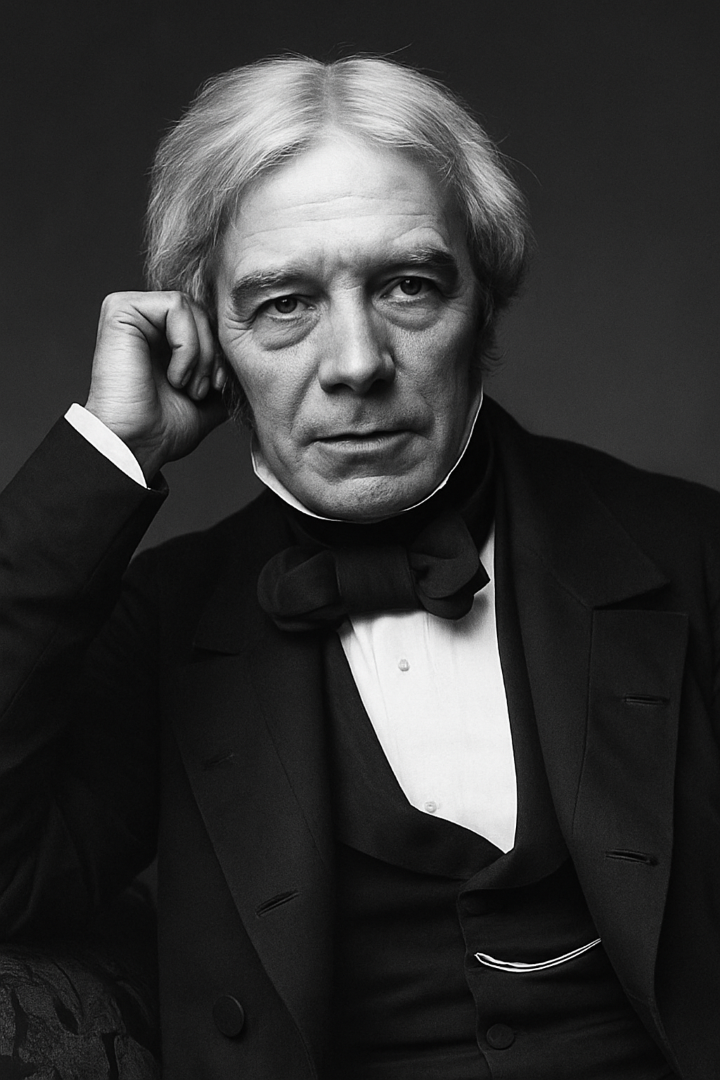
Michael Faraday’s (1791–1867) legacy is rooted in the conviction that science should be seen, touched, and felt, not just read about. The self taught pioneer of electromagnetism was a master of the live demonstration, embodying his teaching mantra: "The lecturer should never talk down to the audience, but bring the subject up to them." At its heart, Faraday’s approach is a call for an active investigation pedagogy. It rejects the passive lecture and replaces it with direct, tangible experience. When students are given apparatus and allowed to manipulate variables, they are not just watching; they are building the scientific concept within themselves. This is the bedrock of hands on experiments, creating science experiences that spark genuine wonder through exploration.
Following Faraday’s philosophy, effective science teaching moves students through three stages of discovery to mastery. The teacher first presents a phenomenon (like magnetic induction) without explaining the rule. Students then use hands on experiments to explore the phenomenon, gathering visual and tactile data. They are guided toward inductive reasoning, moving from specific observations gathered in the lab to the general scientific idea or rule. The teacher facilitates a dialogue where students, using their empirical data, construct the generalized scientific concept themselves. The formal term or equation is introduced only after the concept is mastered. By structuring learning this way, we ensure the best learning happens when students discover the scientific truth for themselves, creating durable, transferable knowledge structures rooted in their own experience.
Further Reading for Educators
A Course of Six Lectures on the Chemical History of a Candle (Michael Faraday): Transcripts of Faraday's iconic Christmas lectures, showcasing the power of demonstration and accessible inquiry.