From Ruins to Revolution: The Inspiring Story of the Reggio Emilia Approach
EL Knowledge Management Team
2024-08-05
2024-08-05
The Reggio Emilia Approach is not a prescriptive curriculum; it is a philosophy forged in fire and hope. Its origin story begins not in an academic lecture hall, but in the small town of Reggio Emilia, Italy, in the immediate aftermath of World War II. The community, shattered yet resolute, decided that the only way forward was to invest everything in the future of their children. Parents pooled their money and labor, collecting remnants from war wreckage, such as wood, bricks, and metal, to literally build their first school from the ground up. This was a profound declaration: a new education rooted in cooperation, dignity, and democratic possibility.
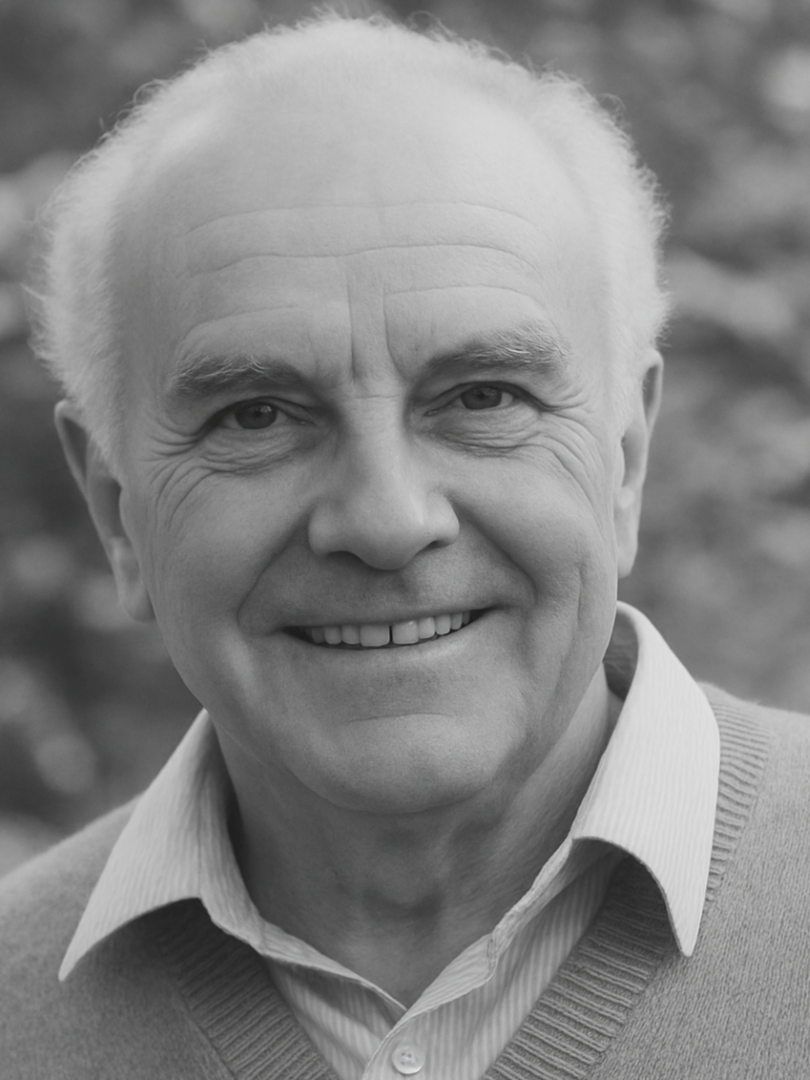
This powerful local movement soon found its visionary leader in Loris Malaguzzi, a young teacher and psychologist. Malaguzzi saw the potential in these community schools and began to crystallize their shared philosophy. He famously rejected the prevailing view that children were "empty vessels" waiting to be filled. Instead, he championed the radical idea of the competent child, a young human being who is curious, resourceful, and inherently capable of building knowledge through social interaction. This profound respect for the child's potential became the philosophical bedrock upon which the entire system was built.
The evolution of the schools was centered on creating a system that honored this image of the child. Educators realized that to truly support children as researchers, they needed unique structures. The physical space itself was designated as the "third teacher," designed to be beautiful, reflective, and purposefully communal, constantly provoking curiosity, communication, and exploration among children. Furthermore, the curriculum could not be fixed. Instead, it was conceptualized as progettazione, an emergent curriculum that evolved in real-time. Teachers, acting as co-learners, would form hypotheses based on observation and then co-construct in-depth, project-based learning with the children and families, respecting and following their interests.
Central to this emergent system is the practice of documentation. This is not simple record-keeping; it is a pedagogical research tool. Through transcripts of children’s conversations, collections of sketches, and photographs of their interactions, teachers carefully capture the process of learning, not just the product. This documentation serves three vital functions: it fuels the teachers' reflection and planning, validates the children's work and their many forms of expression (the hundred languages), and creates a common ground for dialogue among the children, teachers, and parents. The system is consistently maintained by the Pedagogista, a specialized resource person who ensures the philosophical coherence and quality of the entire network.
What began as a single, defiant effort by post-war parents in 1946 grew into a global benchmark. The Reggio Emilia Approach stands today as a testament to the power of community and a constant reminder to educators everywhere: when we shift our perspective to see the child as capable and competent, the learning environment naturally transforms into a place of deep curiosity, dialogue, and powerful discovery.